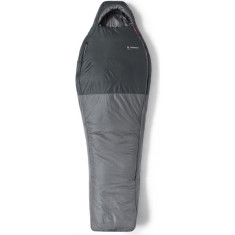
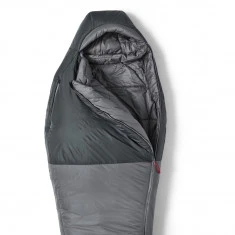
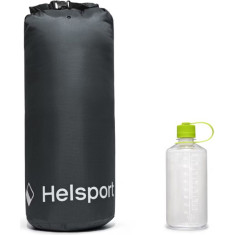
Whether you're in a tent, a hostel or a mountain hut, the right sleeping bag decides how well you sleep. Before you choose, weigh up four things: how warm it is, how big it is, what it weighs and what it's filled with.
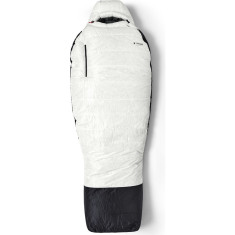
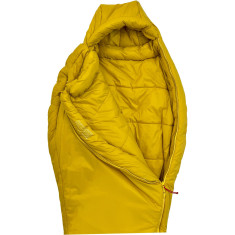
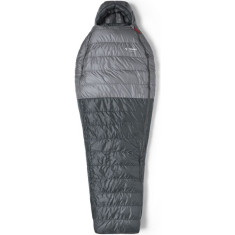
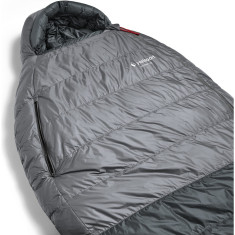
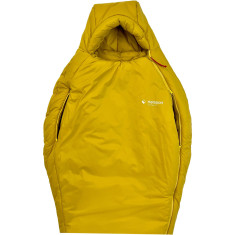
Down or synthetic? For its weight, nothing beats down for warmth or pack size, which explains its popularity for hiking and cold nights. Synthetic fill holds on to more warmth in damp conditions and tends to cost less. Helsport offers both, while Vaude has synthetic bags for hikers and campers. Carinthia's range runs from warm down bags to tropical ones.
Temperature ratings: you'll normally see a comfort temperature, based on a woman sleeping relaxed, and a limit temperature, based on a man sleeping curled up. Treat these as a guide, since some people simply feel the cold more than others. A winter camp or a night high in the mountains calls for a bag rated for low temperatures.
Length: sizes such as 175, 185 and 200 cm are common. Aim for a little room at your feet, but not so much that you have lots of extra air to warm up.
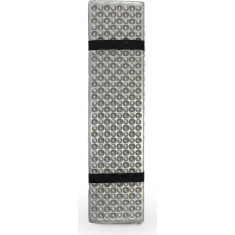
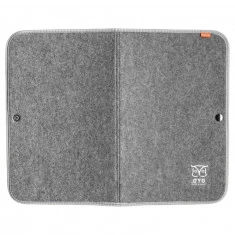
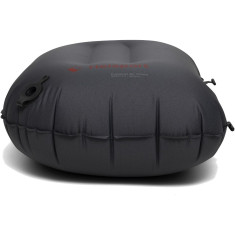
A sleeping mat does more than soften the ground: it also stops the cold coming up from below. Insulation is expressed as an R-value, so the chillier the night, the higher the number you want. Helsport and Vaude make self-inflating and air mats, and Nemo's foam mats have the advantage that they can't puncture.
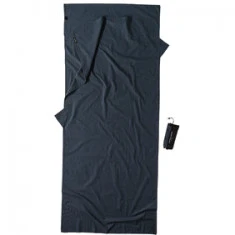
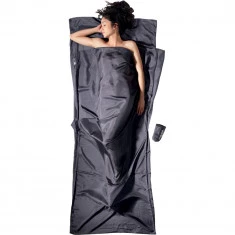
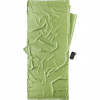
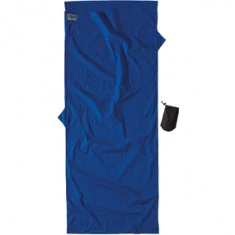
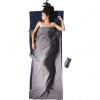
Liners from Cocoon, LifeVenture and TravelSafe keep the inside of your bag clean, add a touch of warmth and double as a light sheet on warm nights. A camping pillow from Nemo or Helsport completes the set-up.
Off to a festival in a muddy British field, a campsite or a night in the hills? A few extras such as camping kitchen gear and a head torch will see you right. Sleeping bags and mats at Skisports come with our price guarantee, whatever your budget.