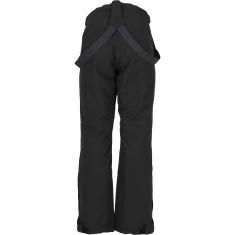
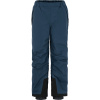
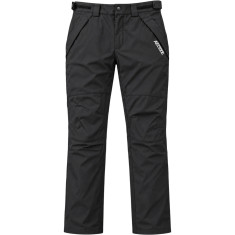
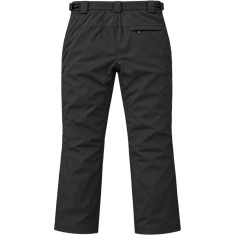
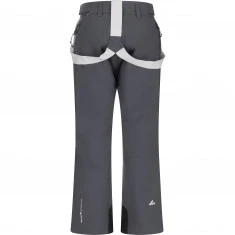
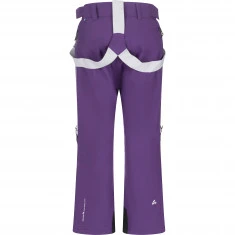
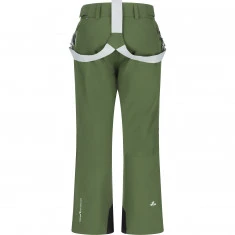
Few things shape a day on the slopes as much as your ski trousers. Get them right and you barely notice them; get them wrong and you'll spend the afternoon wet and cold.
Choosing well isn't difficult once you know what to look for. Follow the guide below and you'll have the right pair for your next ski trip, whether you call them ski trousers, ski pants or salopettes.
A well-known name is the surest sign of quality and durability, so that's a sensible place to begin. We've chosen leading brands for our range, and these three are good examples:
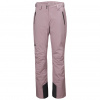
Skiers all over the world wear Helly Hansen, a Norwegian maker with a very long history in technical clothing and a reputation for durable kit.
For value for money, try Kilpi. Its models stretch from budget-friendly right up to high-end.
Clean, attractive design at a reasonable price has made 2117 of Sweden a popular sight on the slopes, and the quality is high too.
Our range also includes ski trousers from Scott, Whistler, CMP, Didriksons and SLOPE.
With a brand in mind, turn to the specification. Three key points deserve your attention: how waterproof they are, how well they breathe and how they fit.
The waterproof rating tells you how much snow and water the fabric can keep out, and so how dry you'll stay. These two contrasting days show why it matters.
Groomed pistes in dry weather: bright sunshine and neat corduroy don't demand the most waterproof fabric on the market. Around 5,000 mm of hydrostatic head should be plenty.
Deep snow and heavy snowfall: at the opposite end of the scale, you might:
…and any of those calls for a seriously waterproof pair, with a hydrostatic head of 15,000 or 20,000 mm.
Nobody can predict the weather for every holiday, of course, so 10,000 or 15,000 mm is a sensible middle ground for many skiers.
Good breathability stops you overheating and turning damp as you work. The level you need depends on how hard you ski, and our range caters for all paces. Again, compare two days:
A few gentle hours with the family: at an easy pace there's no great need for breathability, so you can save a little with trousers rated at 3,000 or 5,000 g/m²/24h.
A full day of challenging runs: when you're pushing hard from morning to the last lift, you'll appreciate the extra airflow of 15,000 or 20,000 g/m²/24h.
The third point has a big effect on comfort. Adjustable waists and stretch fabrics are common across our ski trousers and help you get a better fit.
Start from your normal trouser size and then check the model's size chart. You'll be wearing a base layer underneath, so allow some space at the thighs and knees. Our sizes go from XS right up to 7XL.
Brand and features are settled, which leaves one more decision before you browse: the type of trouser. Shell or insulated is the main choice, and salopettes and snowboard trousers add two variations.
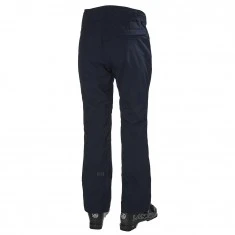
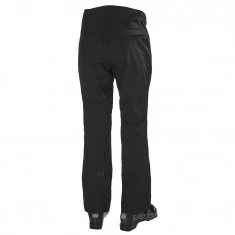
Warmth isn't their strong point, but wind and water stay firmly out. Choose them for milder days or very energetic skiing where you heat up fast. They also tend to be flexible and easy to move in.
Skiing at a calmer pace? Insulated trousers will often suit you better, as they're warm and that bit more comfortable on the chairlift.
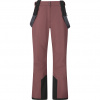
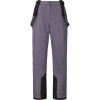
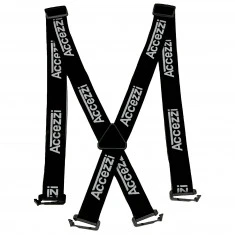
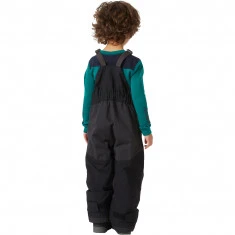
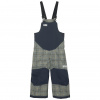
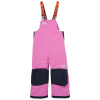
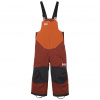
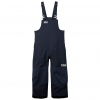
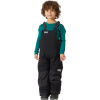
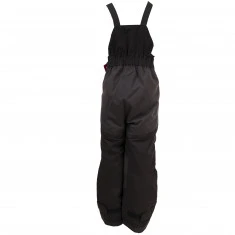
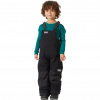
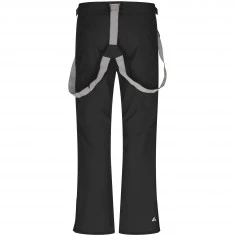
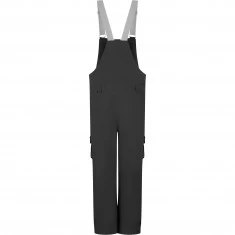
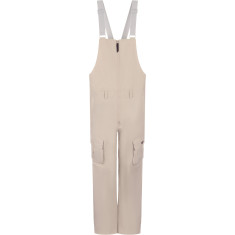
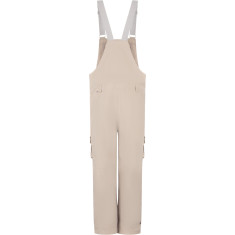
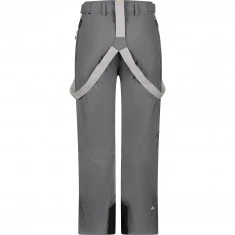
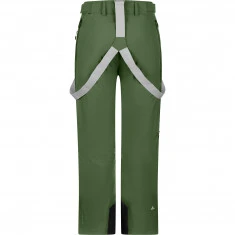
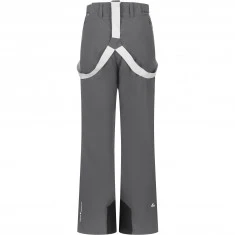
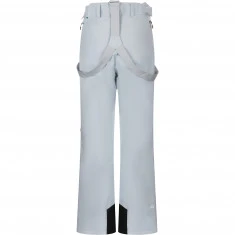
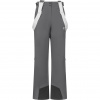
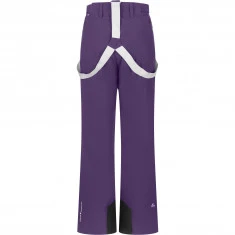
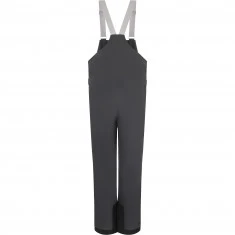
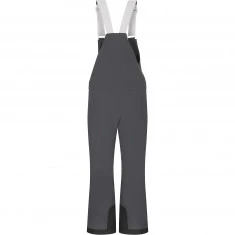
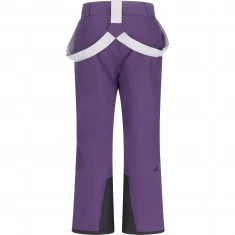
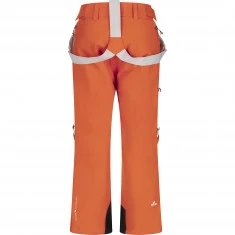
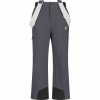
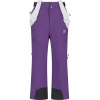
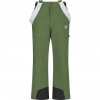
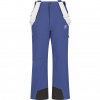
British skiers know them as salopettes: ski trousers with braces and a high cut at the front and back. They don't shift when you bend and twist, and snow can't get in at the waist, which makes them a favourite for children and fans of deep snow.
Boarders should look at our snowboard trousers, with their looser, more relaxed cut and, often, added reinforcement at the seat and knees.
Before a pair goes into your basket, ask yourself whether you need a new jacket as well. Buying the two together has two clear benefits:
Our ski trousers cover adults and children alike. For a clearer view of each range, head to the relevant subcategory:
A little maintenance goes a long way towards a longer life. Keep these points in mind:
Every pair comes with our price guarantee and a 14-day right of return, and we send your order quickly from our warehouse in Denmark.