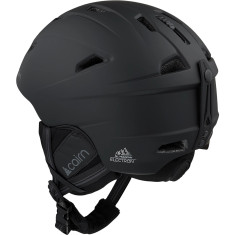
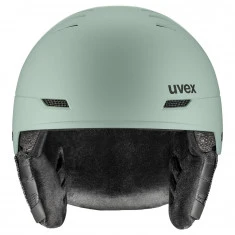
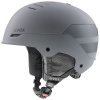
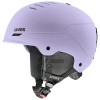
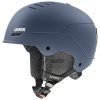
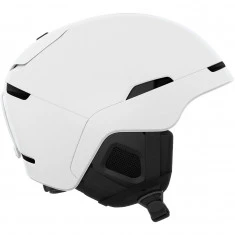
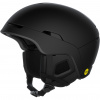
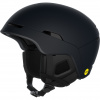
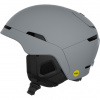
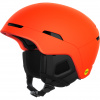
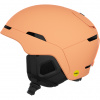
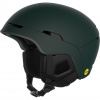
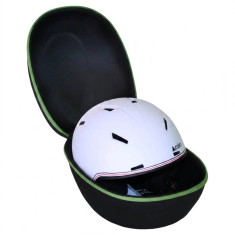
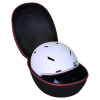
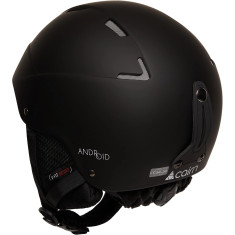
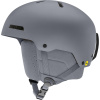
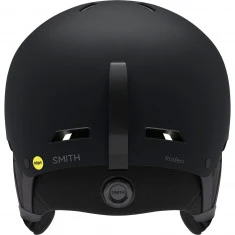
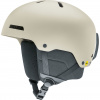
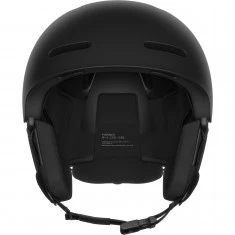
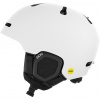
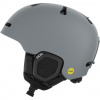
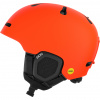
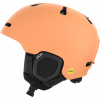
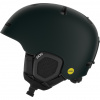
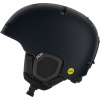
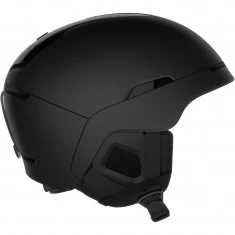
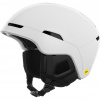
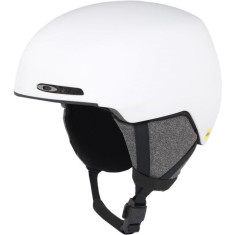
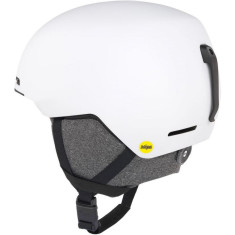
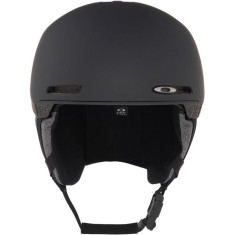
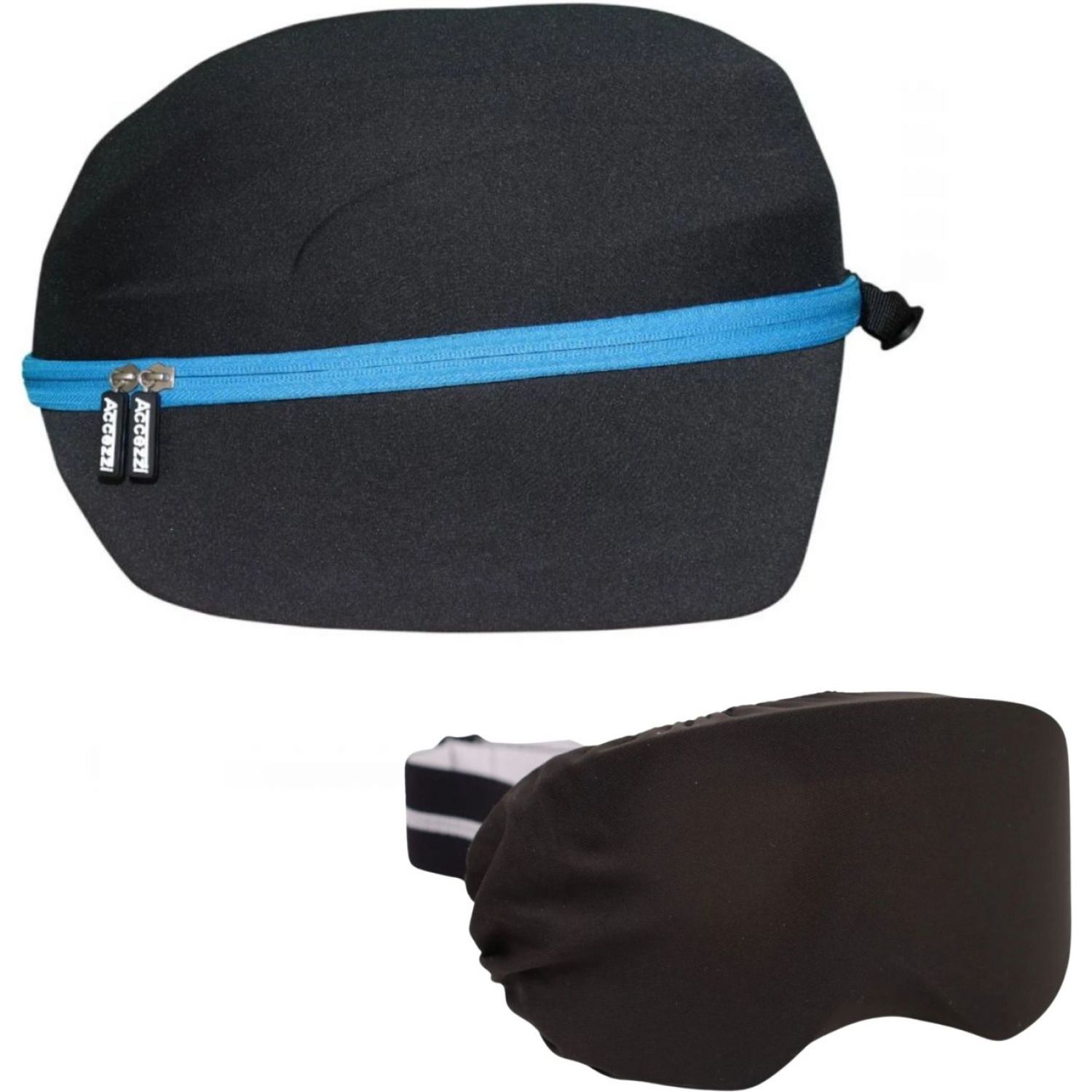
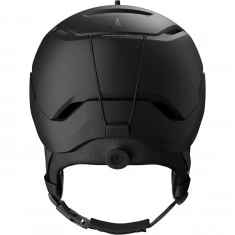
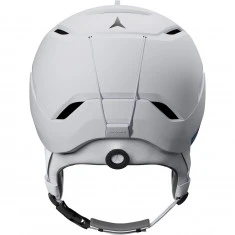
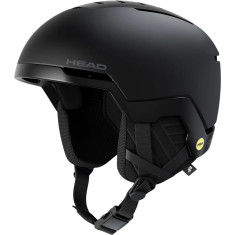
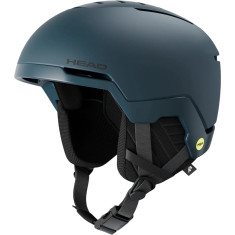
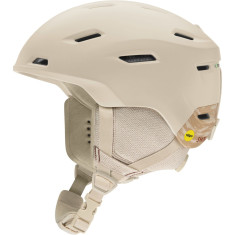
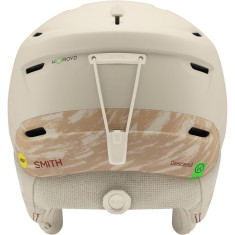
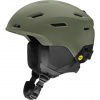
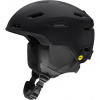
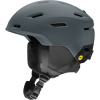
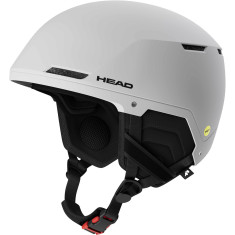
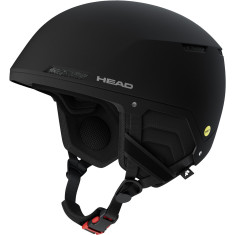
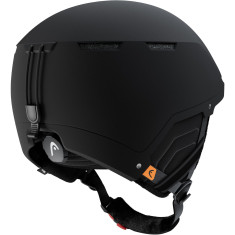
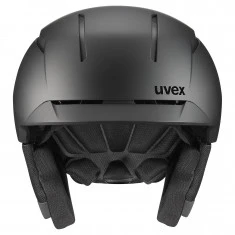
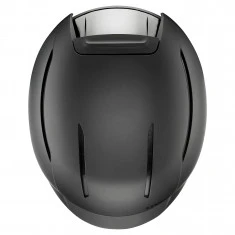
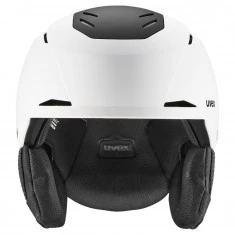
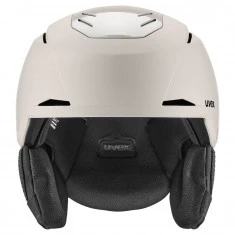
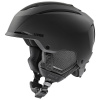
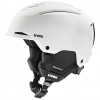
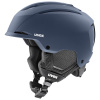
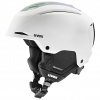
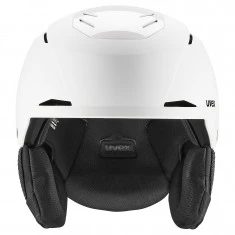
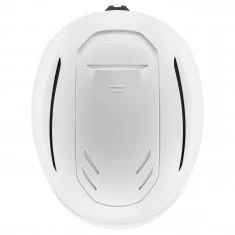
Whatever your level, we recommend a ski helmet for every day on the slopes. Hard-packed snow and other skiers can catch out the most experienced among us, whether it's your first week in Andorra or your tenth trip to the Alps. Set against the cost of a ski holiday, a good helmet is one of the most sensible things you can buy before you travel.
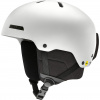
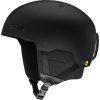
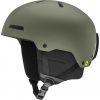
Today's models are a long way from the heavy helmets many of us remember. Expect less weight, better warmth, decent ventilation and soft ear pads, and on some models even space for headphones. Our range includes well-known names such as POC, Smith, Salomon, Uvex, Oakley, Cairn and Giro.
You rarely need to look for a men's or women's version, because nearly all our helmets are unisex. Fit is what counts, so start there, then narrow things down by colour and features. Trying a couple of sizes side by side often settles the question.
Lightweight ski helmets for children, which are easy to adjust, have their own category.
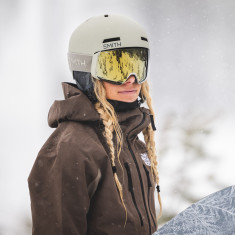
Helmet and goggles become one product in a ski helmet with visor. If you wear glasses every day, this is a great option, as they sit under the visor. Visors are made to resist fogging and offer a wide view of the piste.
Prefer a helmet without one? Then pick a pair of ski goggles that match its shape, leaving no gap at your forehead.
Behind the letters is the Multi-directional Impact Protection System. Inside the helmet sits a thin layer that can shift slightly against the shell, reducing the rotational forces that reach the brain in an angled impact. Most falls on the slopes are exactly that kind of impact.
You'll pay a little more for it, and in our view the extra is money well spent. POC, Smith and Salomon all offer many helmets with the system. Browse ski helmets with MIPS.
Wrap a soft tape measure around your head just above the ears and across the middle of your forehead. Adults usually fall between 50 and 65 cm, and the size chart for each helmet shows which size matches. Planning to wear a hat underneath? Keep it on while you measure.
You want a firm feel with no pressure points. Leave the chin strap open and give your head a gentle shake: a helmet that slides around is too big. A medium from one brand won't always match a medium from another, though a cycling or riding helmet that already fits you well can give you a useful starting point.
A dial at the back lets you fine-tune the fit on many models. It's particularly handy between two sizes, or when you switch between wearing a hat and going without.
You'll want the helmet closed up on a freezing January morning, but it soon warms up under a spring sun. Sliding vents on many models deal with both. Ear pads and liners that come out are also easier to keep clean between trips.
Always wear your goggles for the fitting. Look for a snug fit against your face, with nothing pushed down onto your nose and the strap secure around the back of the helmet. A clip on many helmets keeps that strap in place.
One hard impact is what a helmet is built to absorb. Foam that has been compressed in a heavy fall won't protect you as well the next time, so buy a new one even when the outside looks undamaged. Age takes its toll on the materials too, even without a fall, so check the manufacturer's advice on lifespan.
Not really. Ski and snowboard helmets go through the same testing and give the same protection, and the snowboard versions simply tend to look more relaxed.
No. Ski helmets are tested to EN 1077 for falls on snow and ice, and they cover more of the ears and the back of your head. A bike helmet also isn't made to keep you warm.
If the helmet is adjusted for it, a thin beanie or headband works well. Anything thicker stops it sitting properly, which reduces the protection.
About one finger's width between strap and chin is right. It shouldn't rub, yet opening your mouth shouldn't be enough to tip the helmet off.
Replace it once it no longer adjusts to a firm fit, or after a hard knock. Avoid buying a size up to grow into, because a loose helmet protects poorly.
Quality shouldn't be compromised on a helmet, but you don't have to overspend either. Skisports gives you a price guarantee across our ski helmets, and if the size turns out to be wrong, you have a 14-day right of return.